
The Quiet Appeal of an Offline Computer
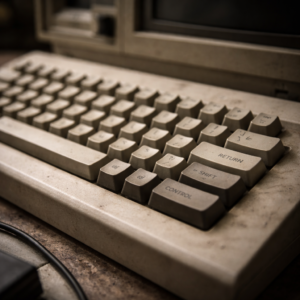
It’s easy to forget how pleasant a modern computer can be when it isn’t constantly negotiating with the outside world, because most people have never been allowed to experience it for more than a few minutes at a time, but a Windows machine running offline, truly offline, is quieter in ways that are hard to explain until you feel it, the fans spin less, the notifications stop fighting for attention, the system stops checking in, syncing, updating, validating, and revalidating, and suddenly the computer feels less like a terminal and more like a tool again. For the average person, running a modern Windows computer offline would remove an enormous amount of background anxiety they’ve learned to normalize, there would be no password expiry loops, no surprise reboots, no pop-ups asking them to sign into something they never remember signing out of, no subtle sense that the machine is doing things on their behalf without ever asking first, and that absence alone would make the system feel faster, more responsive, and strangely more personal, even though nothing about the hardware has changed.
Offline computing also restores a kind of trust that’s been quietly eroded, when your files live on your machine and stay there, when applications launch without needing permission from a server, and when updates are something you choose rather than something that happens to you, the computer stops feeling provisional, it stops feeling like it could be revoked or altered remotely, and that stability matters far more to ordinary users than most product teams realize. What’s frustrating is that modern Windows hardware is more than capable of delivering this experience, the processors are fast, the storage is solid, the graphics pipelines are mature, and the operating system itself is perfectly capable of running cleanly without a network connection, but the default experience is shaped around constant connectivity because that’s where leverage lives, not because the common person asked for it.
For many people, especially those who just want to write, edit photos, manage files, listen to music, or run a handful of trusted tools, an offline-first Windows setup wouldn’t feel restrictive at all, it would feel liberating, like owning something outright again, like using a machine that exists to serve the work in front of you rather than to maintain an ongoing relationship with half a dozen services you never consciously agreed to manage.
The irony is that once you imagine that version of computing, calm, local, predictable, and finished, it becomes very hard to understand why we accepted anything else as the default, because nothing about ordinary life requires a word processor, a calculator, or a utility tool to be constantly online, and yet we’ve somehow convinced ourselves that this level of intrusion is just the cost of using a modern computer. And maybe that’s the quiet promise behind local-first software and offline-capable systems, not nostalgia, not regression, but the simple idea that computers can be powerful, modern, and useful without needing to be watched, measured, or kept on a leash, and that for most people, that would feel less like giving something up and more like finally getting something back.