- Software
- WordPress Services
- Lead Gen Websites
- Custom Development
- B2B
- Support
- Company
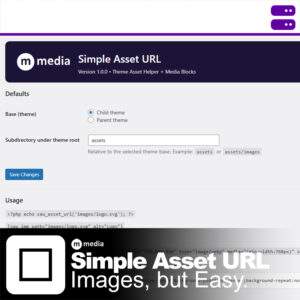
The WordPress Media Library was never designed for theme assets. Logos, icons, UI graphics, and layout images don’t belong in a global upload pile.
Simple Asset URL restores a clean, predictable workflow: assets live in your theme, and you reference them directly—just like modern web development expects.
Place images, CSS, or other static files in your theme’s /assets/ directory and reference them immediately.
Your folder structure stays intact and readable.
The plugin automatically detects the active theme context.
This makes it ideal for long-lived projects and theme customization.
Modern image delivery is a first-class feature—not an afterthought.
You control naming, formats, and breakpoints.
Use Simple Asset URL wherever it makes sense:
It integrates cleanly without forcing a new workflow.
This plugin doesn’t replace the Media Library—it complements it.
The separation stays clear and intentional.
Simple Asset URL does one thing well. It gets out of your way and lets you build.
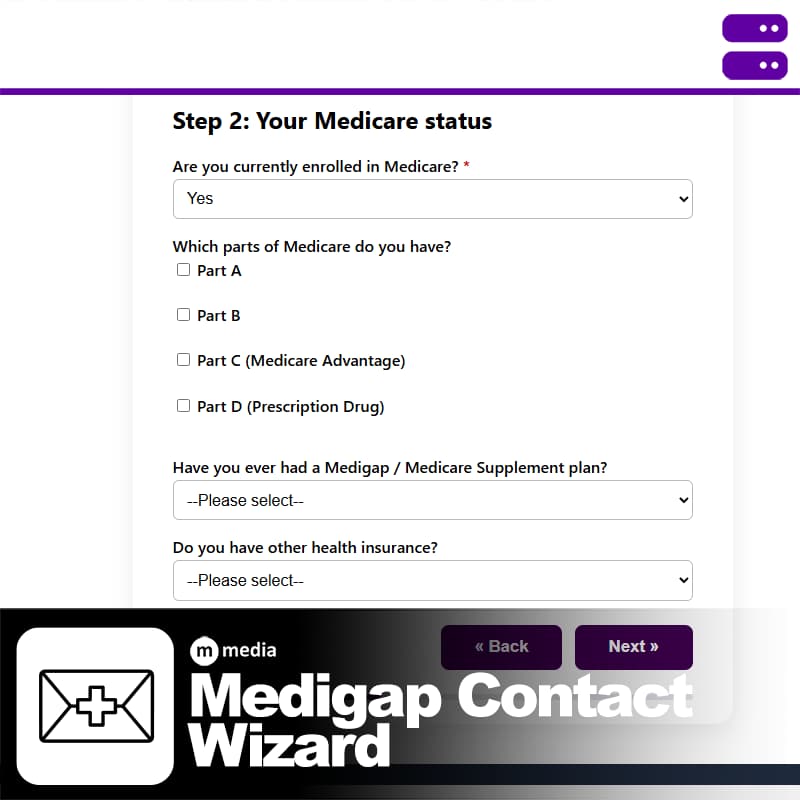
M Media Medicare Contact Wizard is a multi-step Medicare lead capture plugin for WordPress. It walks prospects through a structured…
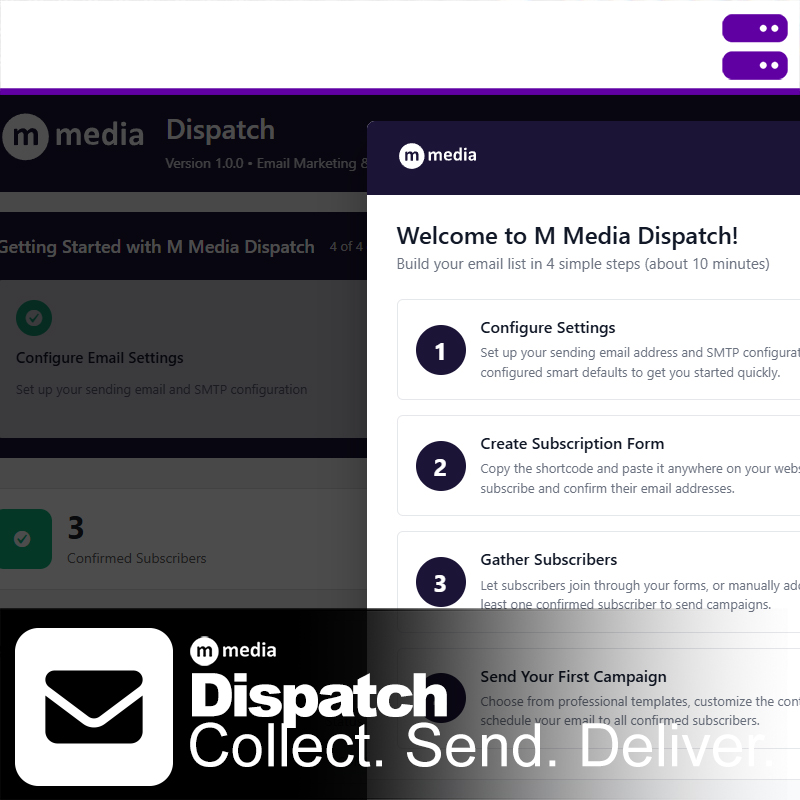
M Media Dispatch Pro is a self-hosted email dispatch and subscriber management plugin for WordPress. It gives you reliable SMTP…
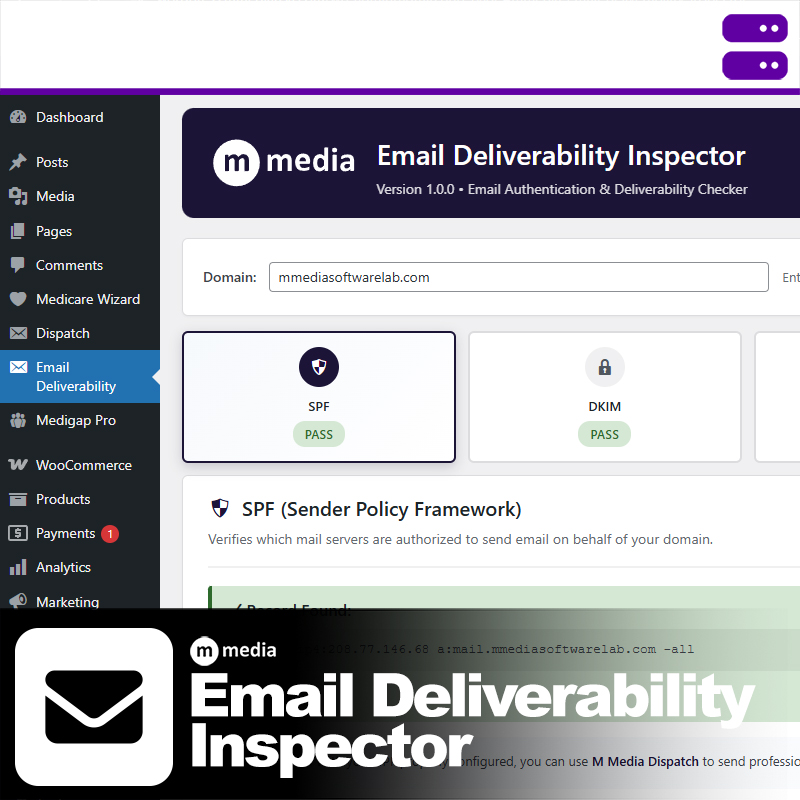
M Media Email Deliverability Inspector is a free WordPress diagnostic tool for verifying email authentication and deliverability. It checks SPF,…
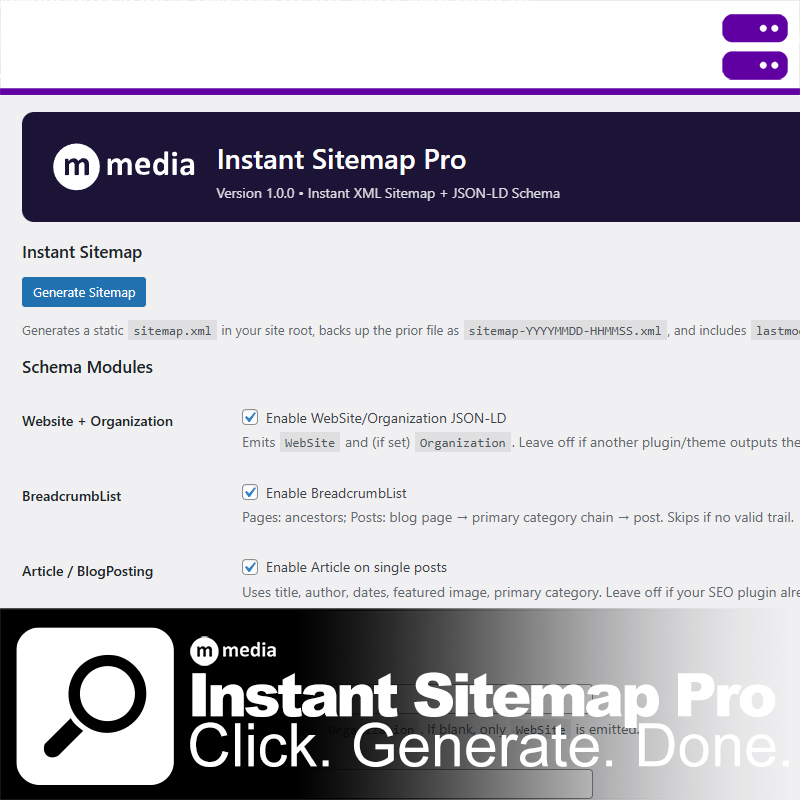
M Media Instant Sitemap Pro is a lightweight WordPress sitemap and JSON-LD schema plugin designed to be fast, predictable, and…
Ever contact support and immediately know you're talking to someone reading a script? Someone who's never actually used the product? Yeah, we hate that too.
M Media support means talking to developers who wrote the code, understand the edge cases, and have probably hit the same problem you're dealing with. No ticket escalation theatrics. No "have you tried restarting?" when your question is clearly technical.
Documentation written by people who got stuck first. Support from people who fixed it.
We don't outsource support to the lowest bidder or train AI on canned responses. When you ask a question, you get an answer from someone who can actually read the logs, check the source code, and explain what's happening under the hood.
Modern software has become surveillance dressed as convenience. Every click tracked, every behavior analyzed, every action monetized. M Media software doesn't play that game.
Our apps don't phone home, don't collect telemetry, and don't require accounts for features that should work offline. No analytics dashboards measuring your "engagement." No A/B tests optimizing how long you stay trapped in the interface.
We build tools, not attention traps.
The code does what it says on the tin — nothing more, nothing less. No hidden services running in the background. No dependencies on third-party APIs that might disappear tomorrow. No frameworks that require 500MB of node_modules to display a button.