

The WordPress Media Library was never designed for theme assets. Logos, icons, UI graphics, and layout images don’t belong in a global upload pile.
Simple Asset URL restores a clean, predictable workflow: assets live in your theme, and you reference them directly—just like modern web development expects.
Place images, CSS, or other static files in your theme’s /assets/ directory and reference them immediately.
Your folder structure stays intact and readable.
The plugin automatically detects the active theme context.
This makes it ideal for long-lived projects and theme customization.
Modern image delivery is a first-class feature—not an afterthought.
You control naming, formats, and breakpoints.
Use Simple Asset URL wherever it makes sense:
It integrates cleanly without forcing a new workflow.
This plugin doesn’t replace the Media Library—it complements it.
The separation stays clear and intentional.
Simple Asset URL does one thing well. It gets out of your way and lets you build.


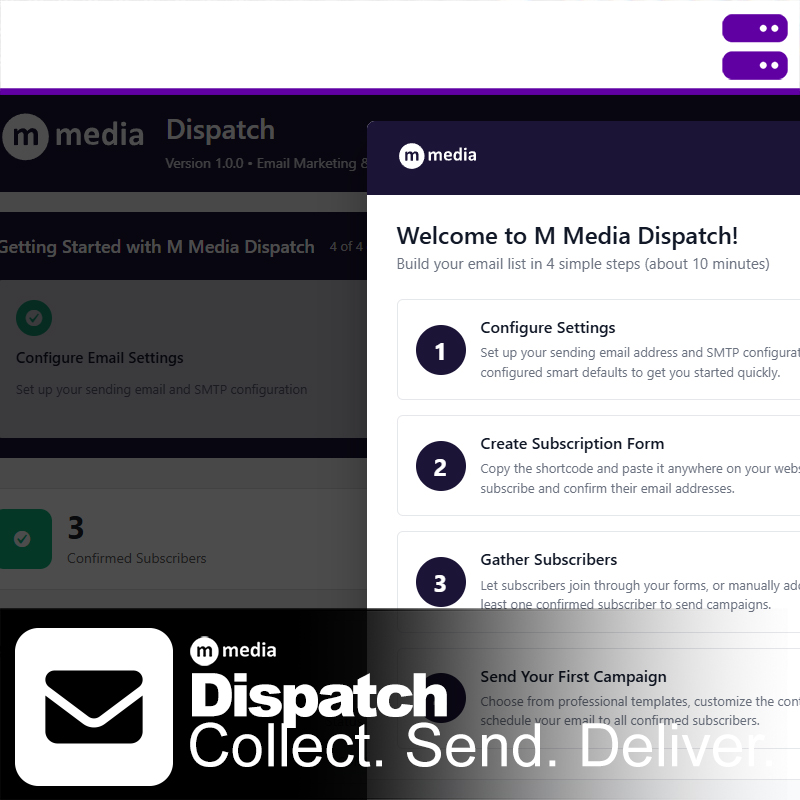

We don't believe in dark patterns, forced subscriptions, or holding your data hostage. M Media software products use clear, upfront licensing with no hidden traps.
You buy the software. You run it. You control your systems.
Licenses are designed to work offline, survive reinstalls, and respect long-term use. Updates are optional, not mandatory. Your tools don't suddenly stop working because a payment failed or a server somewhere changed hands.
Ever contact support and immediately know you're talking to someone reading a script? Someone who's never actually used the product? Yeah, we hate that too.
M Media support means talking to developers who wrote the code, understand the edge cases, and have probably hit the same problem you're dealing with. No ticket escalation theatrics. No "have you tried restarting?" when your question is clearly technical.
Documentation written by people who got stuck first. Support from people who fixed it.
We don't outsource support to the lowest bidder or train AI on canned responses. When you ask a question, you get an answer from someone who can actually read the logs, check the source code, and explain what's happening under the hood.